

Self-leveling concrete, or floor leveling compound, is a material designed to create smooth and even surfaces before installing flooring materials such as tiles, carpets, or laminate. With its ability to flow and level itself, this type of concrete has gained popularity in construction and floor repair projects.
How to Choose Self-Leveling Concrete
Types of Self-Leveling Concrete
Self-leveling concrete is available in several types, each suited for different applications. The choice of product depends on the surface conditions:
- For indoor leveling: Products with good flowability and quick drying are suitable for interior spaces, especially when planning to install decorative flooring like tiles or carpets.
- For outdoor leveling: Opt for concrete that is weather and moisture resistant. These types are more durable and designed to withstand external conditions.
Thickness Requirements
Each type of self-leveling concrete is designed for specific application thicknesses. Some can be applied as thin as 1-2 millimeters, while others are suitable for thicker applications up to 10-20 millimeters. Ensure the chosen product matches the required surface thickness.
Drying Time
Drying time is a critical factor to consider. Some compounds dry within hours, while others may take several days before further installation work can proceed. For time-sensitive projects, quick-drying options are recommended.
Product Quality and Brand
Choose self-leveling concrete from trusted brands. High-quality products typically include detailed instructions, certifications, and assurances of performance, making them a reliable choice for professional results.
Essential Safety Equipment for Working with Self-Leveling Concrete
Dust Masks
Mixing and pouring self-leveling concrete can release harmful dust particles and chemicals. Always wear a dust mask or respirator to protect your respiratory system.
Chemical-Resistant Gloves
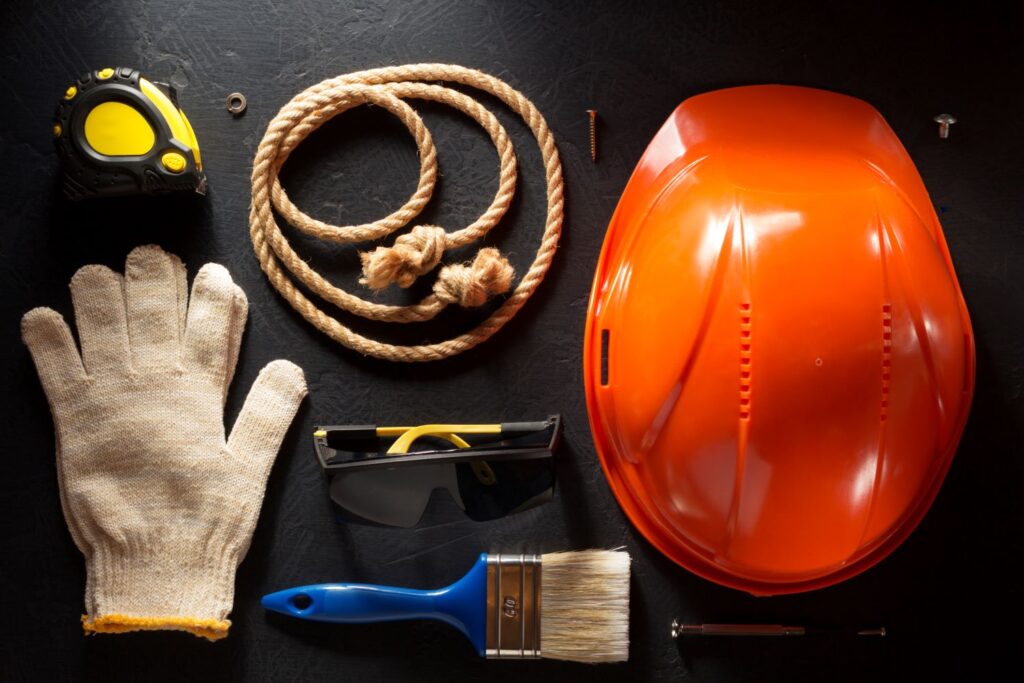
To prevent skin irritation from the chemicals in concrete, wear gloves made specifically for handling hazardous substances. They also protect your hands from injuries when using tools.
Safety Goggles
Protect your eyes from splashes and flying particles by wearing safety goggles. This is especially important during the mixing process, which often produces a lot of dust.
Safety Shoes
Wear sturdy, slip-resistant safety shoes to prevent falls and protect your feet from injuries caused by dropped tools or contact with the concrete.
Chemical-Resistant Clothing
Use thick, chemical-resistant clothing to shield your skin from direct exposure. Full-body coverage is recommended for optimal safety.
Conclusion
Choosing the right self-leveling concrete requires careful consideration of its type, thickness, drying time, and quality. Equipping yourself with appropriate safety gear, such as dust masks, gloves, goggles, and protective clothing, ensures a safe and efficient application process. By following these guidelines, you can achieve professional and durable results.