

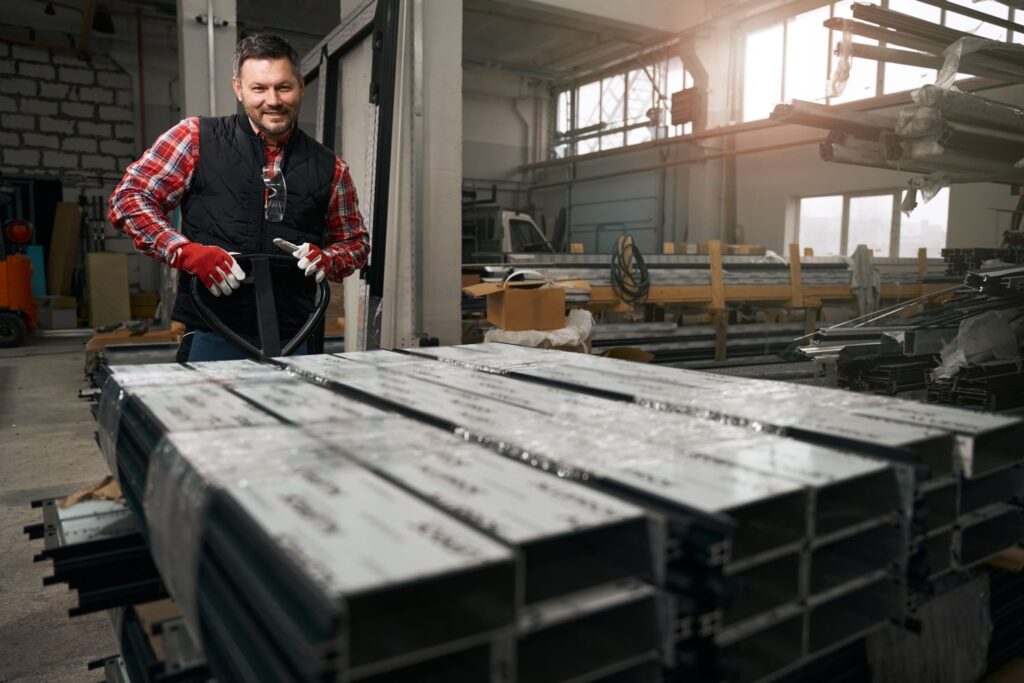
Steel boxes are crucial materials in construction and manufacturing industries due to their unique shapes and robust physical properties. Their versatility makes them suitable for various applications. This article explores the types, advantages, and disadvantages of steel boxes, as well as essential tips for rust prevention and maintenance.
Types of Steel Boxes
Square Steel Box
A square steel box has a square cross-section and is ideal for high-strength structural work, such as columns and beams.
Rectangular Steel Box
This type has unequal width and length, making it suitable for projects requiring more design flexibility.
Circular Steel Box
Known as circular steel pipes, these have a circular cross-section and are commonly used for piping and railings.
C-shaped Steel Box
With a profile resembling the letter C, this type is perfect for structural assembly and decorative purposes.
Steel boxes come in various sizes, thicknesses, and materials. Some are made from galvanized steel for added corrosion resistance, while others are stainless steel for aesthetic and durability needs.
Advantages and Disadvantages of Steel Boxes
Advantages
- Durable and Strong: Steel boxes have robust structures capable of bearing significant weight.
- Lightweight: Despite their strength, they are relatively light, making transportation and installation easier.
- Versatile: Suitable for structures, decoration, and furniture.
- Cost-Effective: Affordable compared to other materials with similar strength.
- Environmental Resistance: Resistant to heat, moisture, and corrosion.
- Customizable: Easy to cut, weld, or bend into desired shapes.
Disadvantages
- Susceptible to Rust: Without proper protection, steel boxes can rust, particularly in high-humidity areas.
- Heat Conductor: Steel conducts heat well, which might be problematic in certain applications.
- Heavier than Some Materials: While lighter than solid steel, they are heavier than aluminum or wood.
- Maintenance Required: Regular painting or coating is needed to prevent rust.
- Noise: Can produce noise upon impact or vibration, which might not suit some decorative purposes.
Rust Prevention and Maintenance for Steel Boxes
Proper rust prevention and maintenance are crucial to extending the lifespan and performance of steel structures.
Rust Prevention Techniques
- Coating: Use rust-resistant primers before applying paint. Consider galvanizing (zinc coating) or epoxy coating for added durability.
- Regular Inspection: Check for cracks, rust, and other signs of wear, especially at joints and connections.
- Cleaning: Remove dust, dirt, and moisture regularly using appropriate cleaning agents, ensuring the surface is dry afterward.
- Moisture Control: Install proper ventilation and use dehumidifiers in high-humidity areas. Avoid direct contact with water where possible.
Maintenance Tips
- Immediate Repairs: Sand off rust spots and repaint areas with peeling paint. Replace severely damaged components.
- Protective Materials: Use rubber or plastic sheets between steel and other materials to prevent corrosion. Choose screws and bolts made of non-reactive materials.
- Environmental Protection: Install covers or roofing for outdoor structures and apply waterproof coatings where frequent moisture exposure occurs.
- Scheduled Maintenance: Create and follow a regular inspection and maintenance plan. Keep a record of all maintenance and repairs to monitor the structure’s condition.
Steel boxes are durable and versatile materials that serve various structural and decorative purposes. Proper selection, rust prevention, and maintenance ensure their longevity and optimal performance in diverse applications.